Fit and Strong After 40: An Athletic Approach for Women
As women enter their 40s, we start noticing changes in our bodies — a slower metabolism, foggier memory, hair thinning, mood swings, and those sleepless, sweaty nights. While these changes are natural, they don’t mean we’re powerless.
Exercise becomes one of the most effective tools for managing this stage of life — physically, mentally, and emotionally.
Whether you’re just getting started or you already have a fitness routine and want to make it more athletic, this guide will help you incorporate smarter, more dynamic training into your week.
The Benefits of Athletic Training
It’s inspiring to watch athletes move — sprinting, jumping, cutting, and changing direction with precision and power. They look strong, lean, and confident. What we often forget is that their training builds balance, coordination, and body control — things that become even more important for women as we age.
You don’t have to train like a professional athlete, but you can borrow the principles that keep them strong and resilient. Athletic training combines strength, power, speed, and agility work — all of which help maintain muscle, strengthen bones, and boost mood and energy.
Without strength training, women lose 3–8% of muscle mass per decade — and even more after 60. Bone density also declines, raising the risk of fractures and osteoporosis. Incorporating strength, plyometrics, and speed work helps slow these declines and keeps you feeling strong, capable, and confident.
How to Add Athletic Training to Your Routine
Start with a strong foundation before progressing to higher-intensity movements.
The CDC recommends 150 minutes of moderate or 75 minutes of vigorous aerobic activity per week, plus two days of muscle-strengthening work.
If you’re new to training:
- Begin with 45–60 minute strength sessions twice a week.
- Add shorter, higher-intensity workouts (HIIT) lasting 20–30 minutes as you build endurance.
If you’re already consistent, start weaving in athletic movements:
- Beginners: side steps, backward walking, or low box step-ups.
- Intermediate: jump rope intervals, quick-feet drills, or agility ladder work.
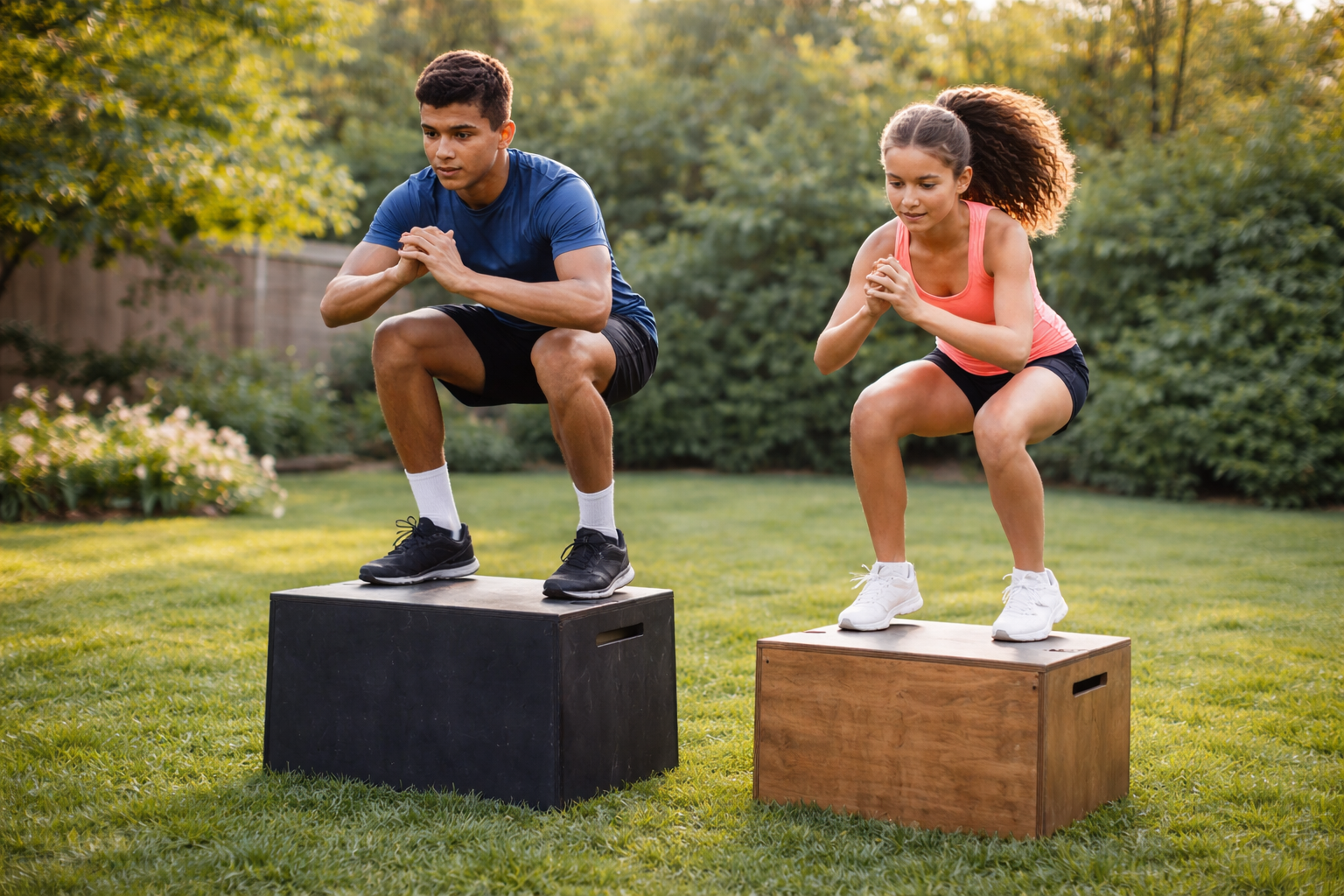
Tip: Box jumps are great but not for everyone right away. If you haven’t been doing plyometrics, start small — jump rope or gentle hops in place — before attempting box jumps. And always use soft boxes instead of wood or metal boxes .
Strength Training for Beginners
Start slow and focus on consistency over perfection. Two strength sessions per week is a great starting goal.
Begin with bodyweight movements like:
- Seated bodyweight squats
- Wall push-ups
- Walking high knees
- Lateral band walks
You can start with 20-minute workouts and build up gradually — add 5 minutes, one extra round, or a new movement each week.
Want a simple place to start?
Download my free beginner-friendly athletic workout for women over 40 — designed to build strength without feeling overwhelming.
When should you work out?
Whenever it fits your life best. Don’t force 5am workouts if you’ve never been up before 7am. The best time to move is the time you’ll actually do it.
Walking: The Underrated Power Move
Walking may seem simple, but it’s one of the most effective (and accessible) forms of conditioning. It boosts heart health, endurance, and recovery — all while supporting fat loss and mental clarity.
Start with 10–20 minutes daily. Try interval-style walking to add in a more athletic element and make it more challenging:
- Walk easy for 20 seconds
- Walk fast for 20 seconds
- Repeat for 10 minutes
Gradually increase the time, distance, and speed as you get fitter.
Track Your Progress
Progress can be subtle — which is why tracking matters. Whether you log your workouts in an app, a notebook, or your phone, seeing small wins (like lifting more weight or walking farther) helps keep motivation high. This is an important part of an athletic training plan. It’s important to quantify progress and know how to progress the training plan to create long term, sustainable changes.
Get Help When You Need It
There’s a lot of fitness information online, but not all of it’s safe or effective. Investing in a coach or personal trainer can make a huge difference — even just a few sessions to learn proper form and structure.
If that’s not an option, start with bodyweight exercises and progress from there. You can also join a group class for accountability, community, and guidance.
Final Thoughts
Athletic training doesn’t just change your body — it changes how you move through life. It builds strength, confidence, and balance that carry into everyday activities.
Start small, stay consistent, and progress gradually. You’ll not only feel stronger — you’ll move like an athlete, no matter your age.
Ready to Start Training Smarter?
If you’re not sure how to put all of this together, I’ve created a free athletic workout for women over 40 to help you get started safely and confidently.